A difficult domain
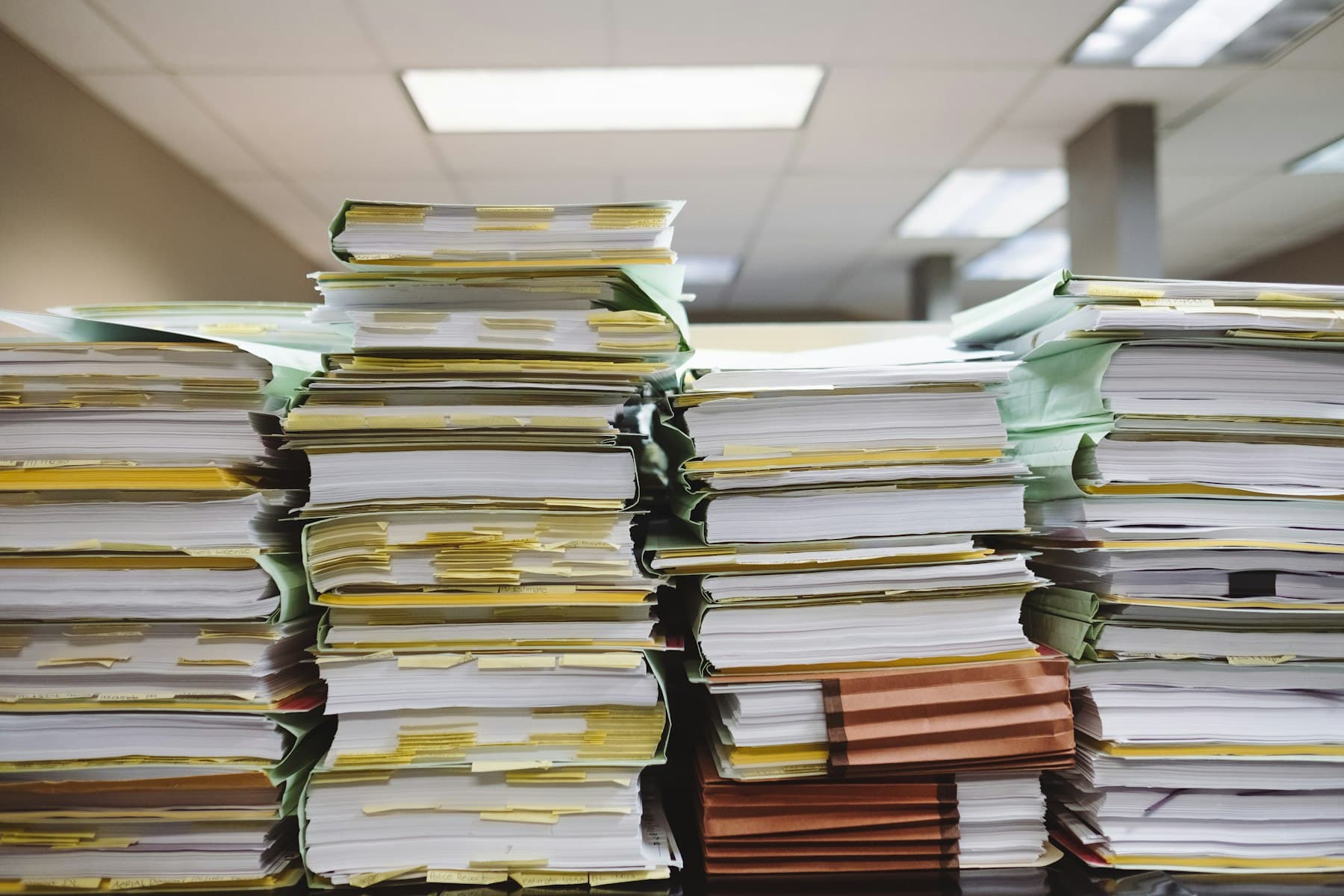
Specialists work through recorded legal documents that span decades to reach conclusions their clients rely on. One missed document or one wrong relationship between documents can change the answer.
The source material is hard too: inconsistent scans, long instruments and document sets that run to thousands of pages.
What we built
The platform reads documents with OCR and AI-assisted extraction, links each structured value to the page it came from, and lets specialists review and correct results before they become final.
Specialists work across several linked views of the same records. The system keeps those views consistent and keeps the history of every change.
Built to keep going
Heavy processing never runs inside a user's request. Splitting, OCR, extraction and embeddings run as separate background stages with queues, checkpoints and retries, so a failed page is retried on its own instead of restarting a job of thousands of pages.
What it shows
Models and providers will change. The lasting work is everything around the model: the domain model, the evidence trail, human review, recovery from failure and cost per document.
None of that is specific to law. The same approach fits any domain where rules are intricate, documents are messy and a wrong answer is expensive.